Route Description
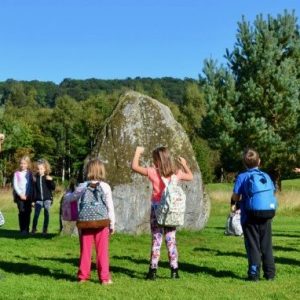
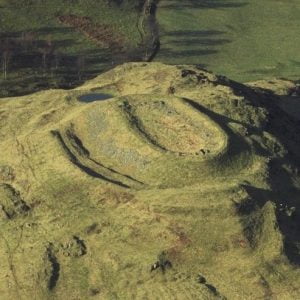
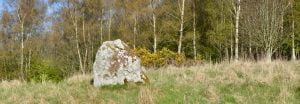
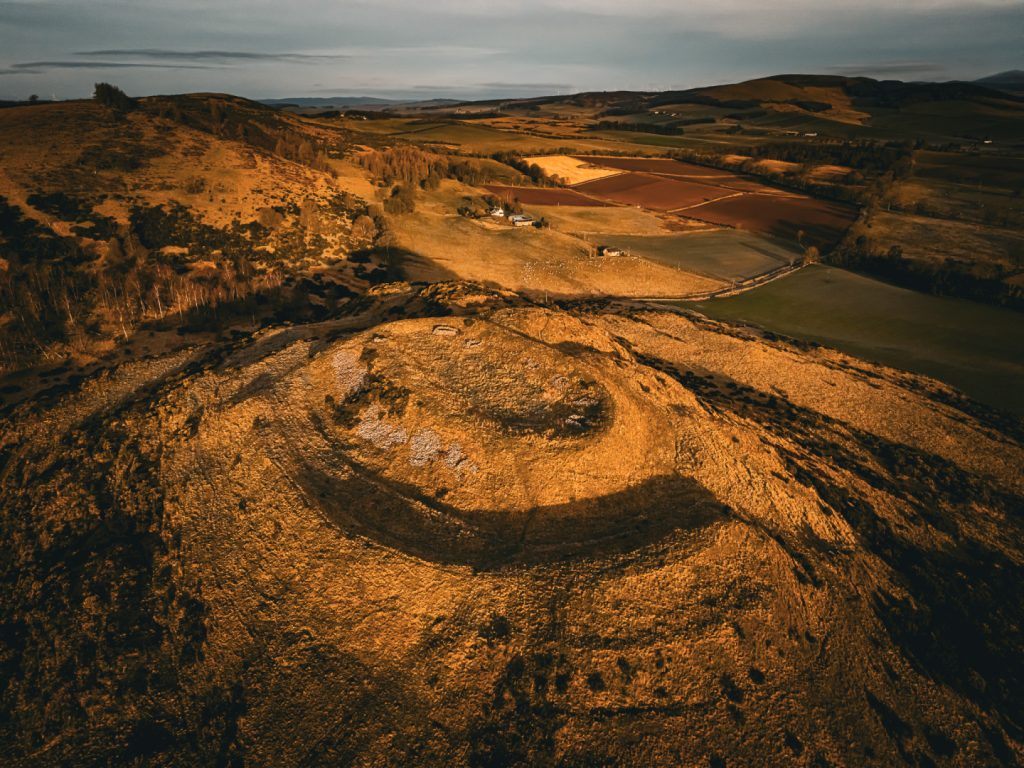
Starting from Alyth Cyclery, the route follows Lossett Road and a smaller path to meet the B952 at Pitcrocknie village - look out for the Pitcrocknie Stone. Continuing on the B954 towards Glenisla, you pass Barry Hill Fort on your right, one of the best-preserved enclosed hilltop settlements in Scotland, and the Hill of Alyth on your left, an area of common land with a wealth of trails.
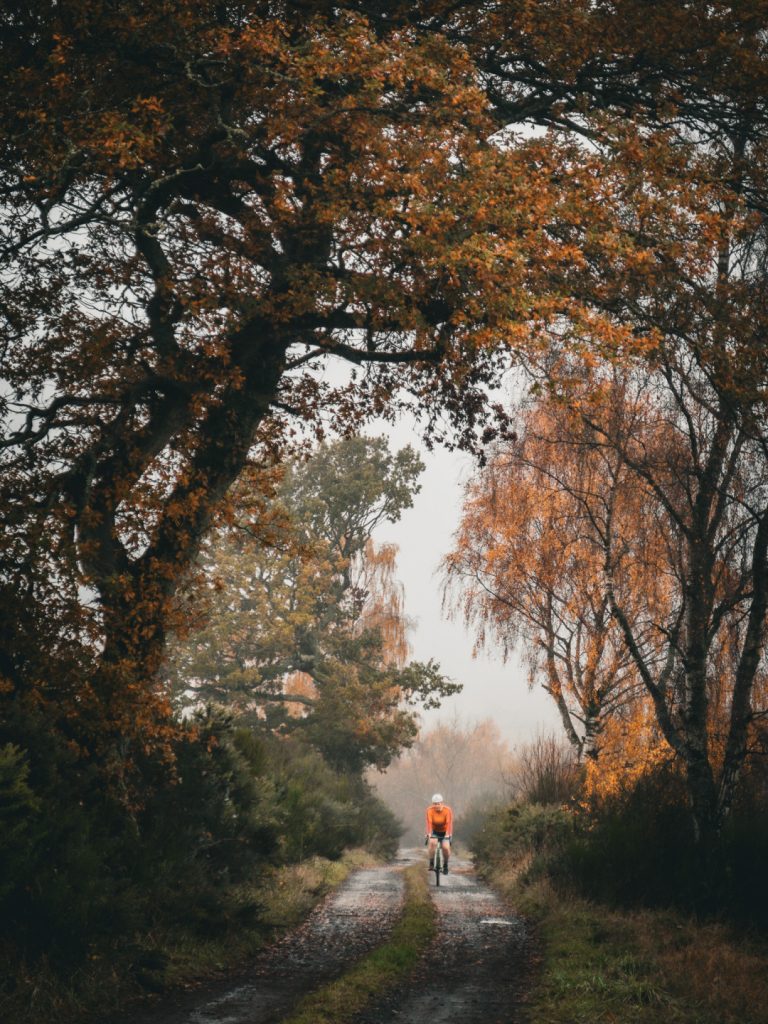
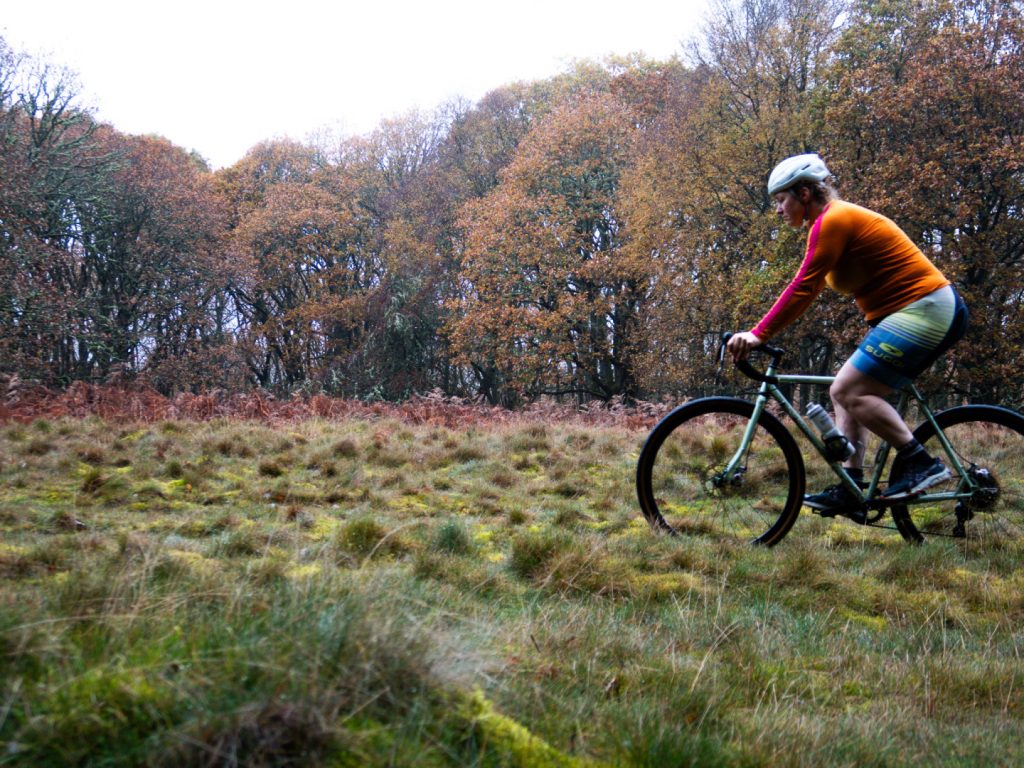
A track on the right leads into beautiful woodland, home to the Shanzie Souterrain - an underground structure associated with the Atlantic Iron Age, thought to have been used for storage. The riding here is more challenging, but well worth the effort, and on the way back to the road you pass another standing stone.
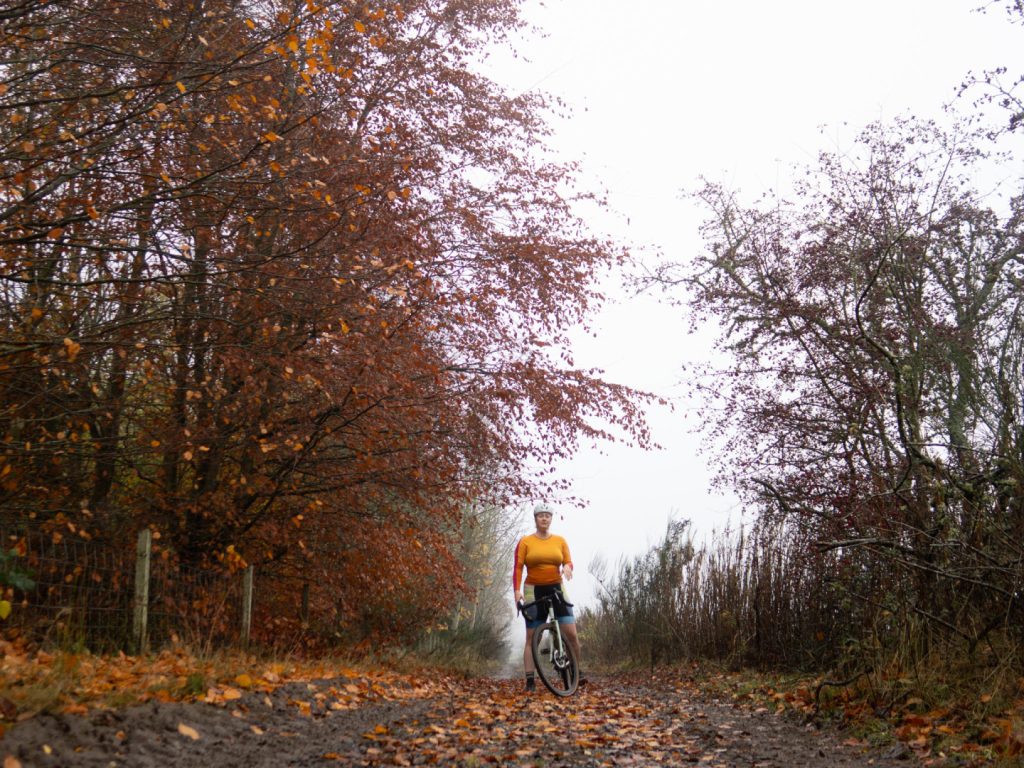
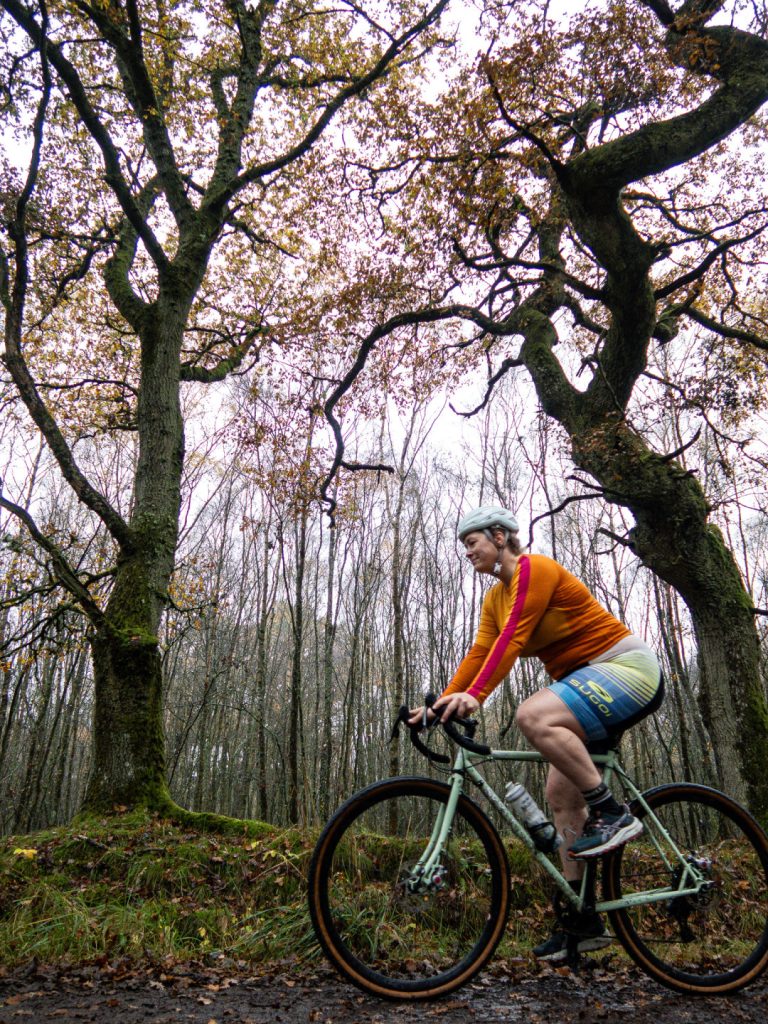
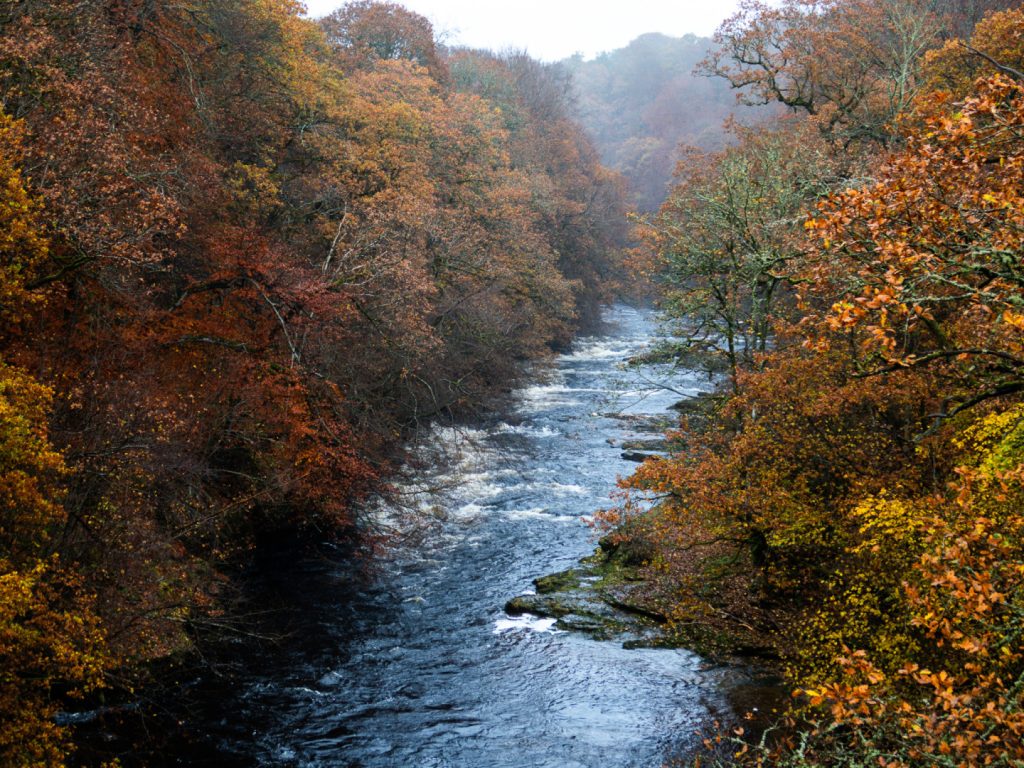
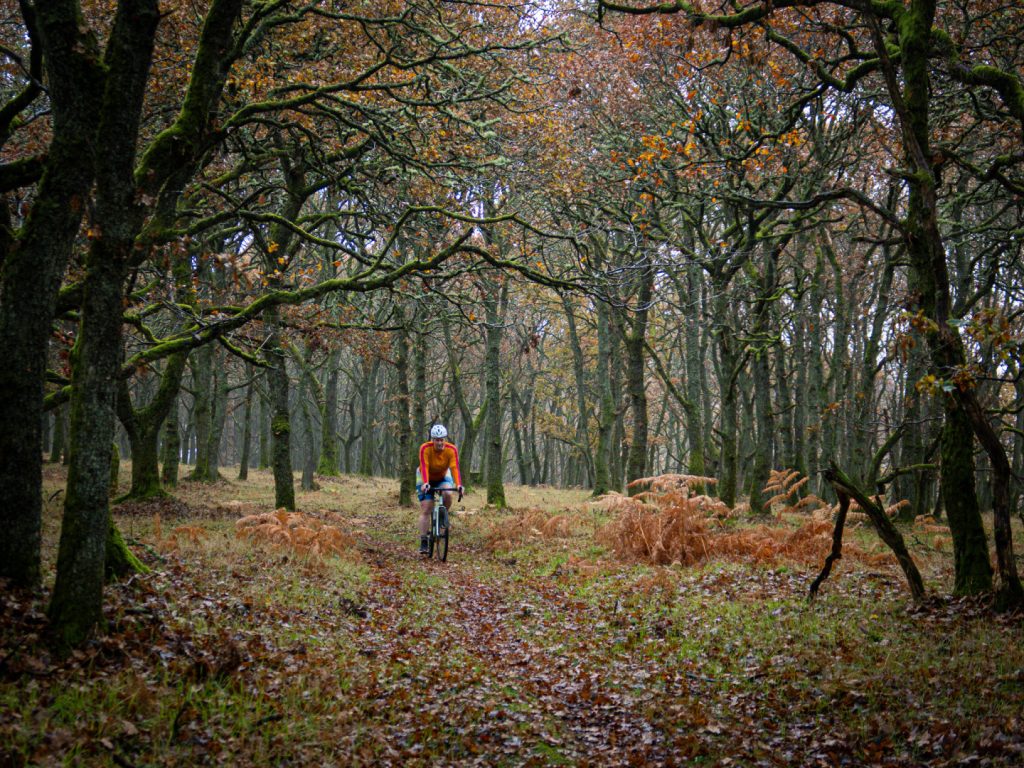
Continuing on quiet roads, the route heads into the Den of Airlie, crossing the River Isla before joining a farm track into a beautiful oak woodland. The track follows the Isla to Ruthven. After a short stretch on the road, the route returns off-road towards Balbirnie and through another woodland, before rejoining the road near Ruthven House.
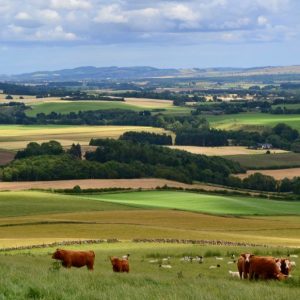
You then pass the site of Cardean Roman Fort, one of the largest Roman forts in Britain, and cross the Isla on Dean Bridge before arriving in Meigle. The village is home to Vanora’s Mound, the Meigle Sculptured Stone Museum, and Temple Hall - a private house said to stand on the site of a Knights Templar temple. Flour is a great place to stop for lunch or coffee.
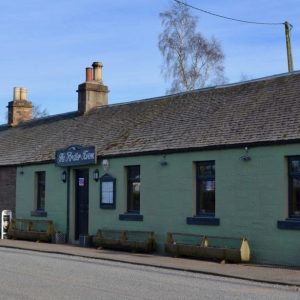
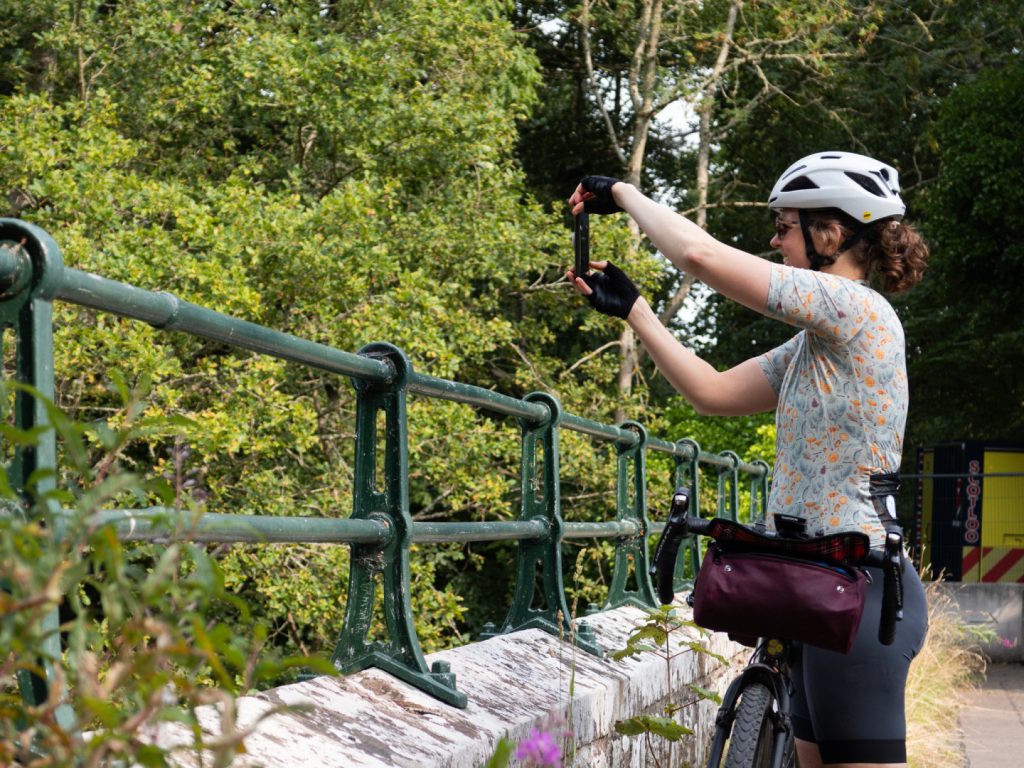
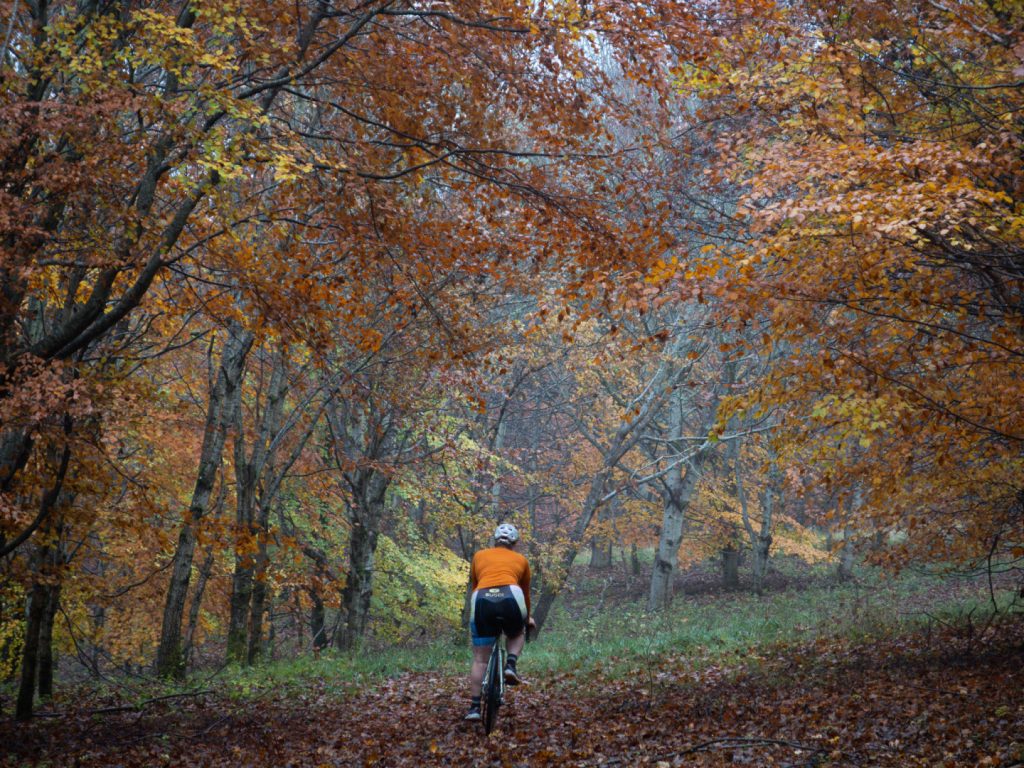
From here, gravel tracks follow the bed of a former railway line to Ardler, where the Ardler Tavern offers another welcome stop. The route then continues through forest trails and farm tracks, eventually crossing the River Isla again at Bardmony Bridge, before returning on quiet roads through Strathmore to Alyth.
Navigation
Difficulty
Straighforward
34% off-road
Points to visit
Along the way you will find these points of interest:

The Shanzie Souterrain
An Iron Age underground structure. Souterrain (from the French ‘sous terrain’, meaning ‘underground’) is the archaeological name for a type of underground structure associated mainly with the European Atlantic Iron Age that may have been...
Read more - "The Shanzie Souterrain"Pitcrocknie Stone
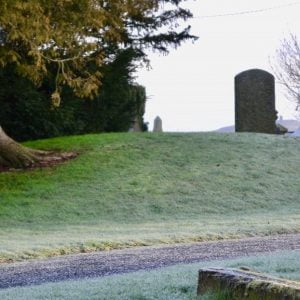
A fine example of a late Neolithic or early Bronze Age Standing Stone. Travelling out of Alyth on the B952, on the right hand side of the road, a few yards after the last old red sandstone house in the town, lies a new housing development. The...
Read more - "Pitcrocknie Stone"Barry Hill Fort
One of the best preserved examples of an enclosed hilltop settlement in Scotland. Viewable from across Strathmore and from the roads around Alyth, Barry Hill fort has not yet been excavated. However, similar monuments elsewhere have been found to...
Read more - "Barry Hill Fort"Hill of Alyth
A walk along an ancient drove road to an historic viewpoint. Rising steeply on the northern edge of the burgh of Alyth to 300m (984ft), the Hill of Alyth provides a brisk walk on part of the Cateran Trail along old drove roads and tracks across...
Read more - "Hill of Alyth"River Isla
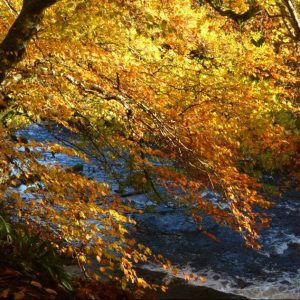
One of Cateran Country’s most beautiful rivers. The River Isla rises among the Grampians, at an altitude of 3100 feet, 1½ mile NE of the meeting-pint of Forfar, Perth, and Aberdeen shires, and 6 1/8 miles SSW of Lochnagar. It then winds 29½...
Read more - "River Isla"
Dean Bridge
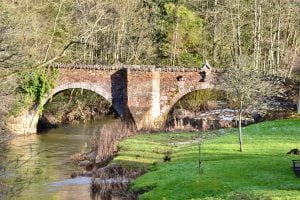
A wonderfully preserved 16thc or 17thc bridge. This bridge, visible from the current road bridge, lies precisely on the Roman Road crossing of the Dean Water, adjacent to the Roman fort of Cardean. Nine feet wide, the bridge comprises of two...
Read more - "Dean Bridge"
Cardean Roman Fort
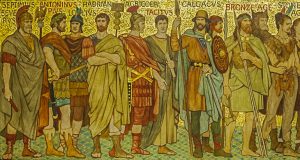
Site of one of the largest Roman Forts in Britain. This Roman fort is at Cardean, on the border between Angus and Perthshire very close to Meigle. It seems to have had a single period of occupation during the Flavian period (AD69-96) and was...
Read more - "Cardean Roman Fort"Vanora’s Mound
The final resting place of King Arthur’s Queen? This burial mound could well be prehistoric in date but almost certainly represents the earliest phase of Pictish burial on this site, either as a new cairn or as a re-used prehistoric one.It...
Read more - "Vanora’s Mound"Temple Hall, Meigle
A private house said to stand on the site of a Temple built by the Knights Templar. Whilst there is no proof that this temple existed, the land the house is built on did belong to the Knights Templar, a Catholic military order of Knights, founded in...
Read more - "Temple Hall, Meigle"Belliduff
A Bronze Age Cairn & Cist. This Bronze Age Cairn and Cist is the second site in Meigle to have a story that connects it with the Scottish King, Macbeth (see Macbeth’s Stone entry, which is nearby). Although recorded history tells us that...
Read more - "Belliduff"Ardler
Originally planned as a Railway Village. This small village was the brainchild of local landowner George Kinloch, who was elected as a Liberal MP for Dundee following the Scottish Reform Act of 1832. Kinloch, who was Chairman of the Dundee and...
Read more - "Ardler"Bardmony Bridge
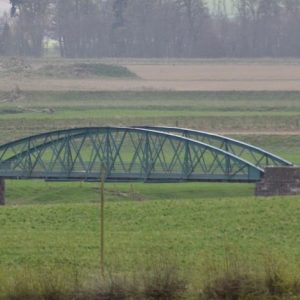
Crowd funded through a local bazaar. This important crossing of the River Isla was built through the efforts of enterprising and community minded local farmers at the turn of the 20thc. Half the money was put up by 3 local farmers and the other half...
Read more - "Bardmony Bridge"
The Drumderrach Stone
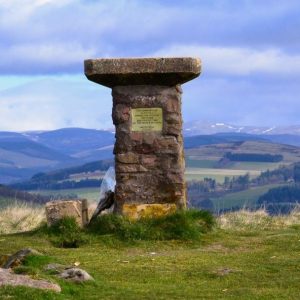
Prehistoric Standing Stone with magnificent views. Just on the eastern field boundary where the Shanzie Souterrain lies, on the other side of the hedge, is a wide grassy path leading steeply up to this spectacularly positioned standing stone. A...
Read more - "The Drumderrach Stone"