Route Description
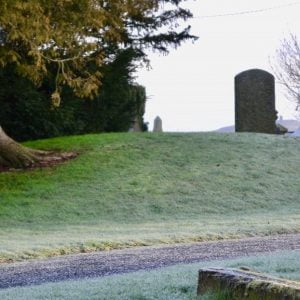
The route leaves town along Losset Road, before joining a small path that links up with the B952/B954 near the Pitcrocknie Stone. From here, it continues along a quiet road passing below the Shanzie Souterrain. Although the underground structure itself has been sealed, the mound that remains is still clearly visible from the road.
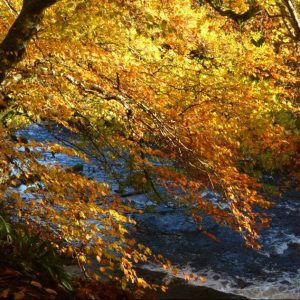
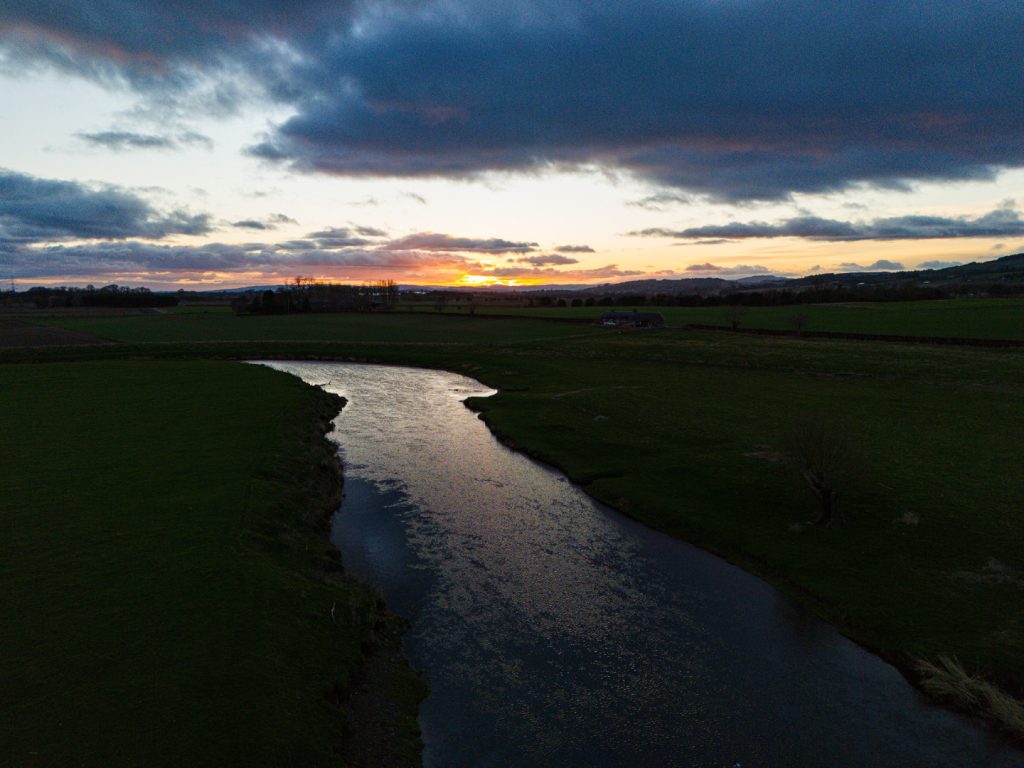
The route continues to cross the River Isla for the first time at the Den of Airlie, a steeply wooded ravine, before heading south. After a short stretch on the A926, a gravel path leads off towards Ruthven House.
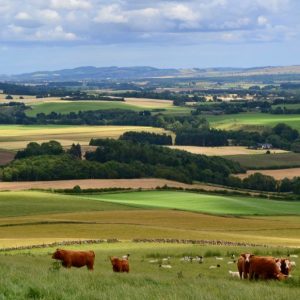
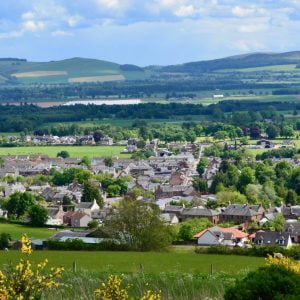
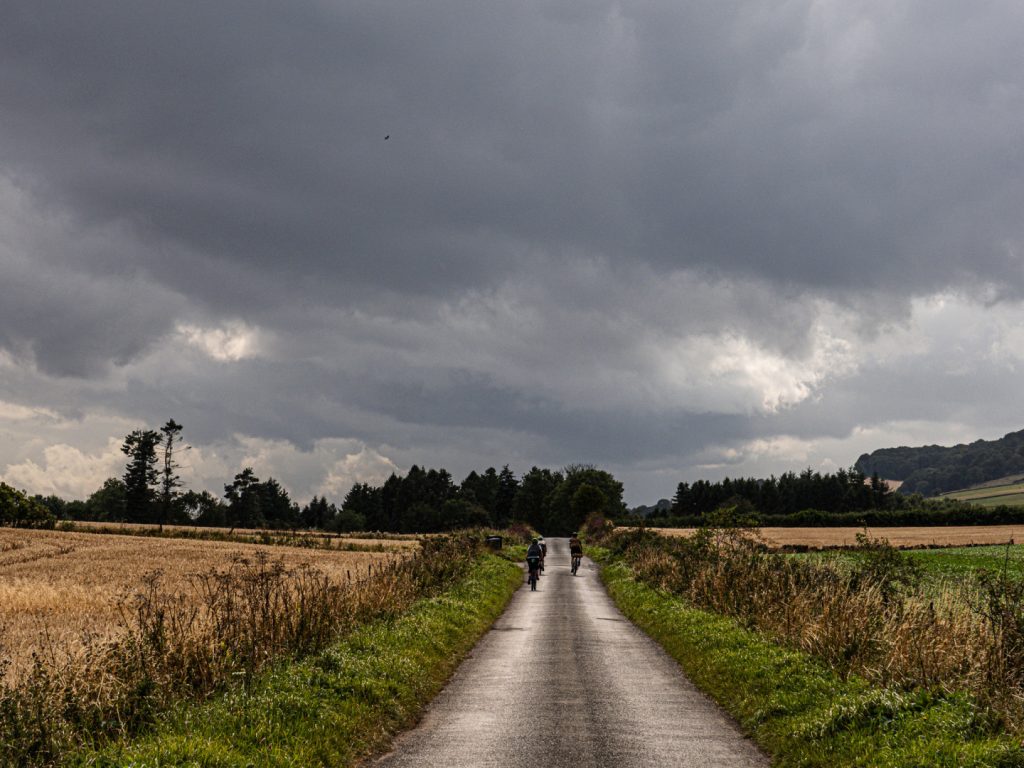
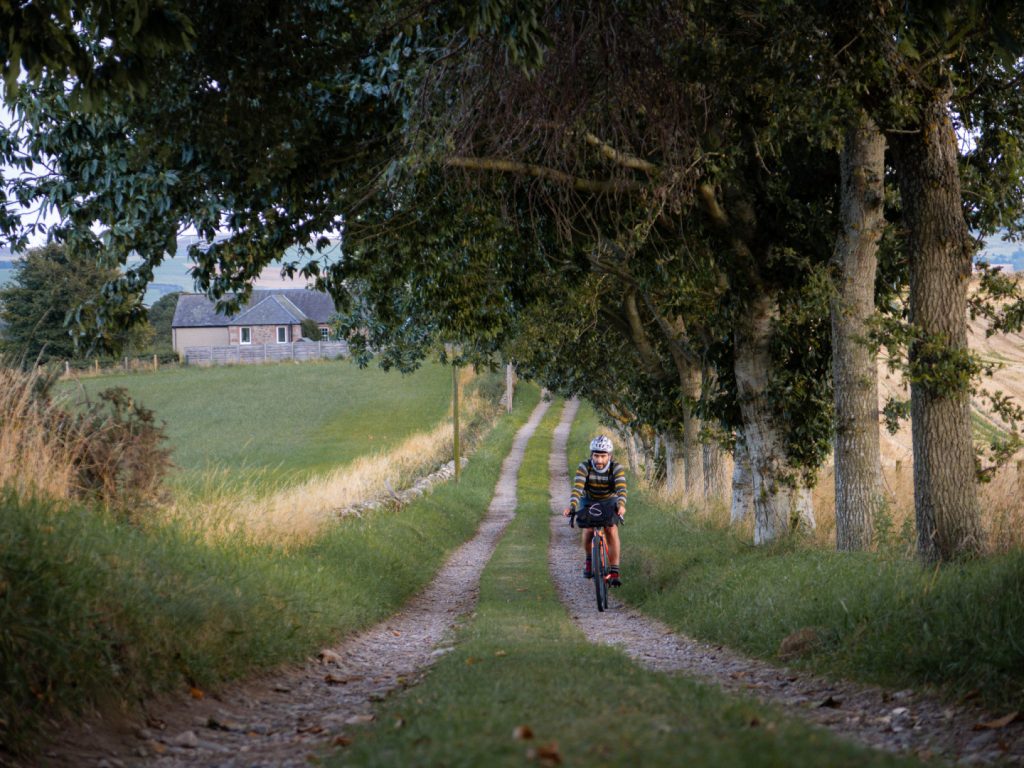
From here, the ride follows the northern bank of the Dean Water through the fertile Vale of Strathmore - an area known for some of Scotland’s finest arable farmland, producing soft fruits and cereals. Quiet roads lead you past Eassie, Balkeenie and Kirkinch to the village of Newtyle. A short section following the trackbed of the former Dundee and Newtyle Railway adds variety, before the route continues on gravel paths through the grounds of Belmont Castle, where there are plenty of options to extend the ride.
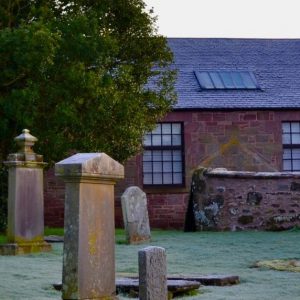
Meigle makes an excellent stop, whether for coffee or to visit the Pictish stones displayed in the old schoolhouse - a remarkable collection of carved stones dating from the late 8th to the late 10th century.
From Meigle, the route follows the B954 back towards Alyth, crossing the River Isla once more at the Bridge of Craithies. From here, a quieter gravel path leads to the A94. From here the route crosses Market Muir and returns past the Market Square to the start at Alyth Cyclery.
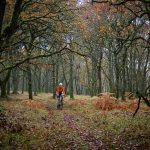
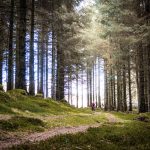
Images from the route
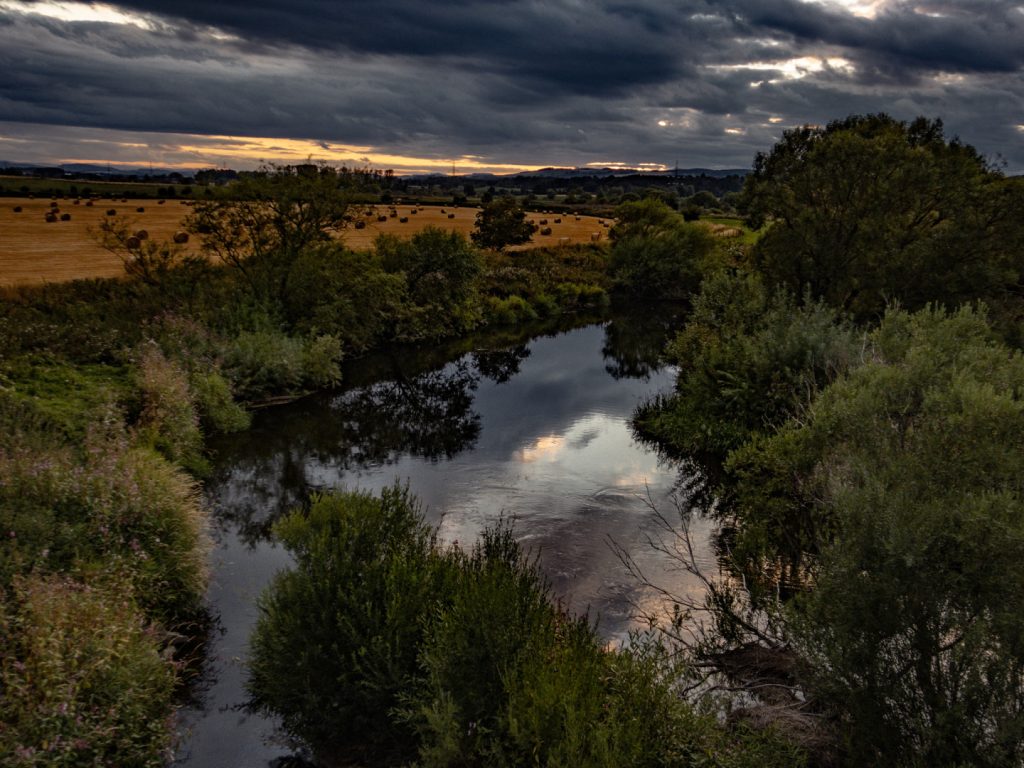
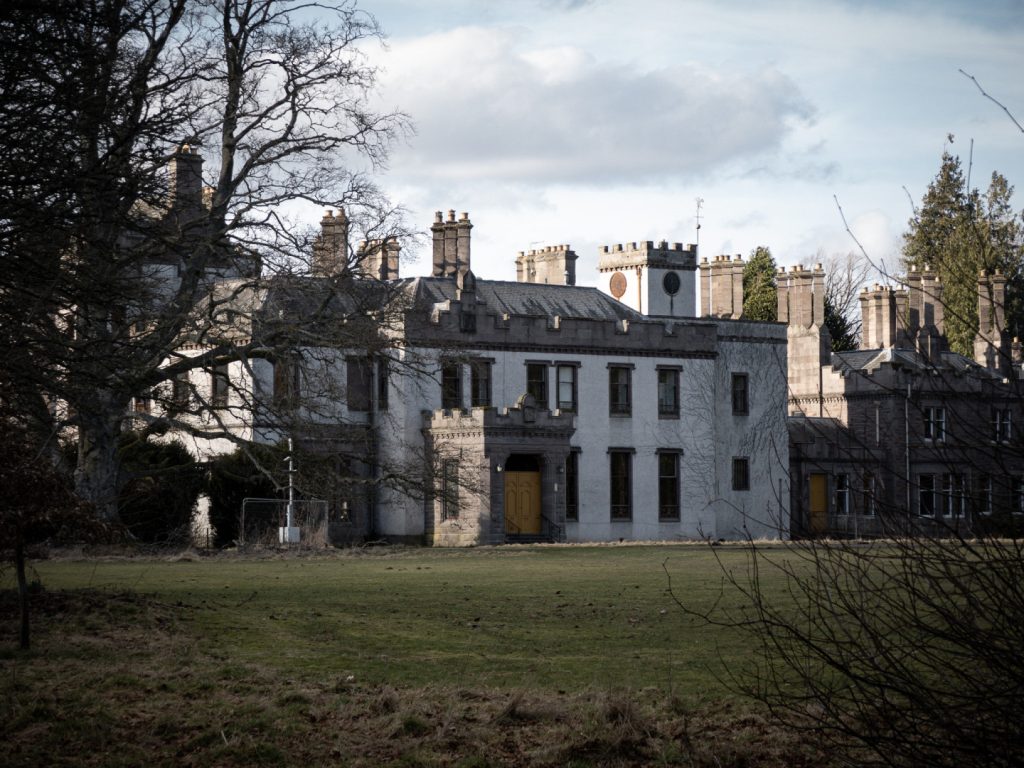
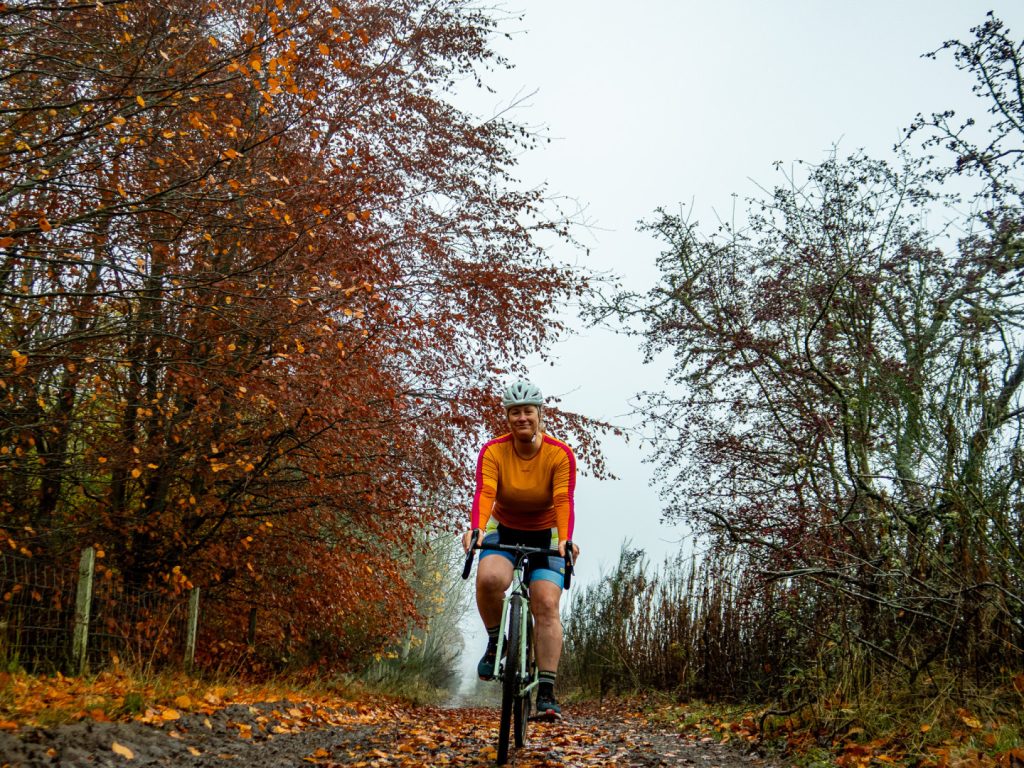
Navigation
Difficulty
Straighforward
15% off-road
Points to visit
Along the way you will find these points of interest:

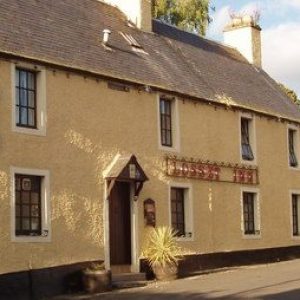
Lossett Inn
One of Scotland’s oldest Inns. A listed building, the Lossett Inn or Creel has been a Drover’s Inn since 1760. At that time, Alyth was larger than Blairgowrie and had nine fairs a year, many more than most market towns, so the Lossett would...
Read more - "Lossett Inn"Pitcrocknie Stone
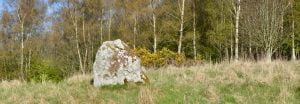
A fine example of a late Neolithic or early Bronze Age Standing Stone. Travelling out of Alyth on the B952, on the right hand side of the road, a few yards after the last old red sandstone house in the town, lies a new housing development. The...
Read more - "Pitcrocknie Stone"The Shanzie Souterrain
An Iron Age underground structure. Souterrain (from the French ‘sous terrain’, meaning ‘underground’) is the archaeological name for a type of underground structure associated mainly with the European Atlantic Iron Age that may have been...
Read more - "The Shanzie Souterrain"
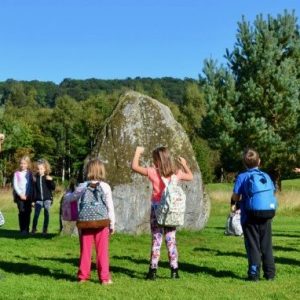
The Drumderrach Stone
Prehistoric Standing Stone with magnificent views. Just on the eastern field boundary where the Shanzie Souterrain lies, on the other side of the hedge, is a wide grassy path leading steeply up to this spectacularly positioned standing stone. A...
Read more - "The Drumderrach Stone"River Isla
One of Cateran Country’s most beautiful rivers. The River Isla rises among the Grampians, at an altitude of 3100 feet, 1½ mile NE of the meeting-pint of Forfar, Perth, and Aberdeen shires, and 6 1/8 miles SSW of Lochnagar. It then winds 29½...
Read more - "River Isla"Belmont Castle
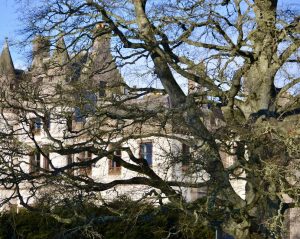
One of the finest houses in Strathmore. Belmont Castle is a substantial 18th century mansion which was modernised in the late 19th century, and incorporates the remains of a tower house called ‘Kirkhill of Meigle’, which belonged at one...
Read more - "Belmont Castle"
Maggie’s Tree or Old Maggie
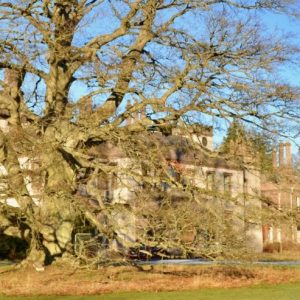
Belmont Castle was formerly the home of Sir Henry Campbell- Bannerman. Liberal Prime Minister from 1905 to 1908. He is buried in Meigle Kirkyard. It was Sir Henry who gave the name ‘Old Maggie’ to the fine copper beech (Fagus sylvatica...
Read more - "Maggie’s Tree or Old Maggie"Meigle Sculptured Stone Museum
One of the most important collections of early medieval sculpture in Western Europe. Displayed in the old schoolhouse at Meigle, this magnificent collection of carved stones dates from the late 700s to the late 900s. The stones were all found in...
Read more - "Meigle Sculptured Stone Museum"Temple Hall, Meigle
A private house said to stand on the site of a Temple built by the Knights Templar. Whilst there is no proof that this temple existed, the land the house is built on did belong to the Knights Templar, a Catholic military order of Knights, founded in...
Read more - "Temple Hall, Meigle"Vanora’s Mound
The final resting place of King Arthur’s Queen? This burial mound could well be prehistoric in date but almost certainly represents the earliest phase of Pictish burial on this site, either as a new cairn or as a re-used prehistoric one.It...
Read more - "Vanora’s Mound"Alyth Auld Town
A traditional Scottish Market Town whose history stretches back 1,000 years. Alyth is a small town, a little over half an hour’s drive northeast of Perth and northwest of Dundee. It overlooks the broad expanse of Strathmore close to Perthshire’s...
Read more - "Alyth Auld Town"Boer War Memorial
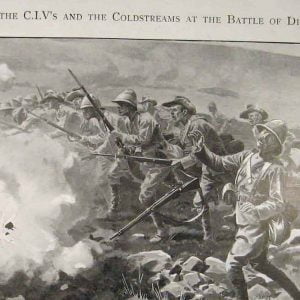
This memorial commemorates a major landowner and the sons of two others from the Alyth area who gave their lives in the Anglo-Boer War of 1899-1902. This memorial was erected in memory of Lieut.-Colonel Lord Airlie (the Earl of Airlie), Lieut. Nigel...
Read more - "Boer War Memorial"James Sandy
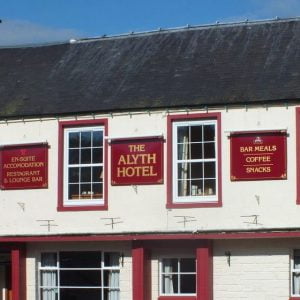
Inventor of the Invisible Hinge. James Sandy was born in Alyth in about 1766 and lived in what is now the Alyth Hotel. Crippled in both legs as a result of two separate accidents, he nevertheless went on to become known as ‘the Alyth Genius’ for...
Read more - "James Sandy"Textile Mills
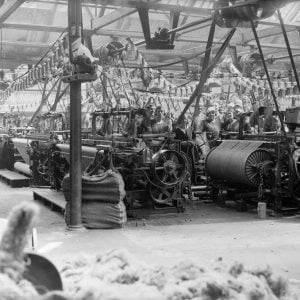
Site of former textile mill. In the 18thcentury Alyth became heavily involved in flax processing for the linen textile industry, and spinning and especially hand-loom weaving dominated local employment. Increasing quantities of factory-spun yarn was...
Read more - "Textile Mills"